
Who knows what the three sisters are in First Nations traditions? Answer: beans, corn, and squash are considered the three sisters and are grown together because they mutually support one another. The squash grows along the ground providing a barrier against other plants. The corn provides a strong stalk on which the beans could grow. There is an exchange of nutrients such that the three plants thrive together by sharing their gifts with one another.
What a wonderful metaphor for life! The world thrives when we generously share our gifts in respectful and reciprocal relationships. We can learn a lot from nature when we are open to its wisdom. The problem is we can get overly distracted by our own perspectives and ideals undermining this wisdom.
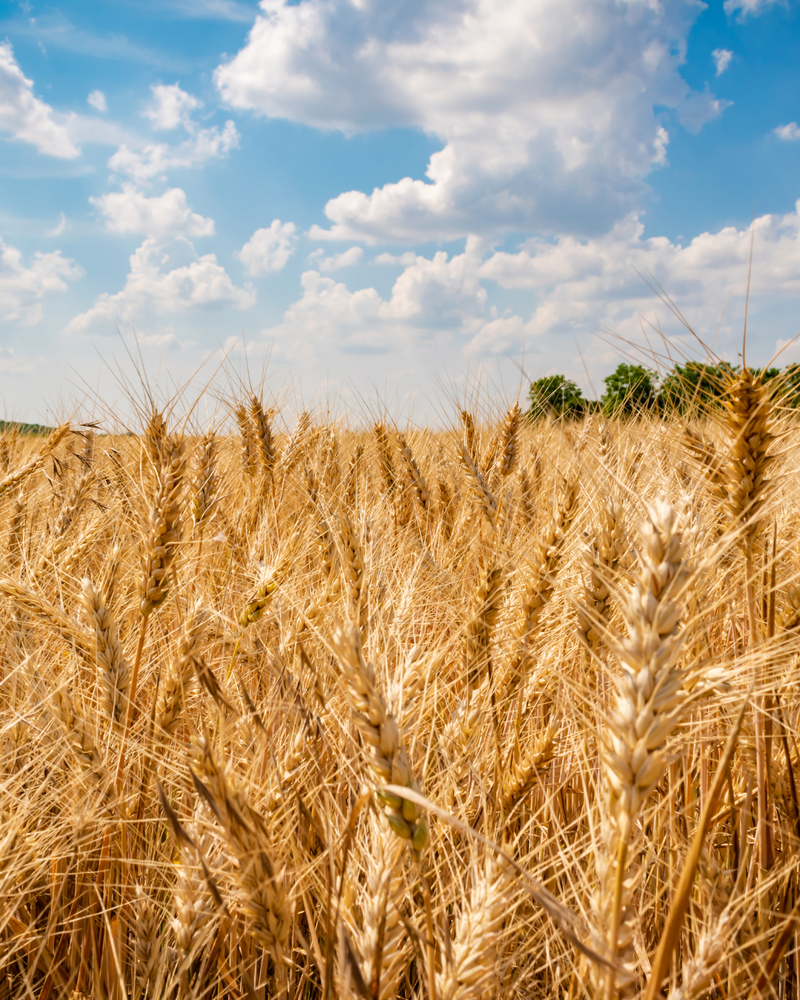
Take, for example, the metaphor of the weeds and the wheat. If we focus on this literally then the wheat is good and the weeds are bad, period. We neglect to consider the fact that weeds are contextual, and corn planted in a wheat field, which we see here in Essex County, is a considered a weed because it is in the wrong field, but it is a benefit when it is in a cornfield. We neglect to recognise that wildflowers, which could also be considered weeds, can actually be a benefit to farmers when they are planted alongside crops as they attract local pollinators. We neglect to recognise that some weeds, like dandelions, are actually edible and highly beneficial.
When we get distracted by a focus on identifying what is good and bad, right and wrong, wheat and weeds, we miss the existence of other information, other wisdom from which we might benefit. If this is the case for Creation, imagine what this means for human beings!
How easy is it for society to classify people as wheat and weeds? How does this impact the way people are treated? Question: when the Master told the servants to allow the weeds to grow along with the wheat, did he say they could abuse the weeds while they grow?
Judgement happens at end times. No one should be using this parable or any other message from the bible as a means with which to judge and demean another person. No one has the right to treat someone as something less than no matter how much one might think that someone is a ‘weed’. We are called to walk with compassion and love one another, to support one another in mutual relationships that are respectful and reciprocal just like the three sisters.
May we be continually, humbly open to learn from nature and one another recognising that life is far from the binaries of good and bad, right and wrong, wheat and weeds, and that God knows and seeks us, and loves us as God loves all people and all of Creation. This we pray as we sing: 414 God of the Sparrow