
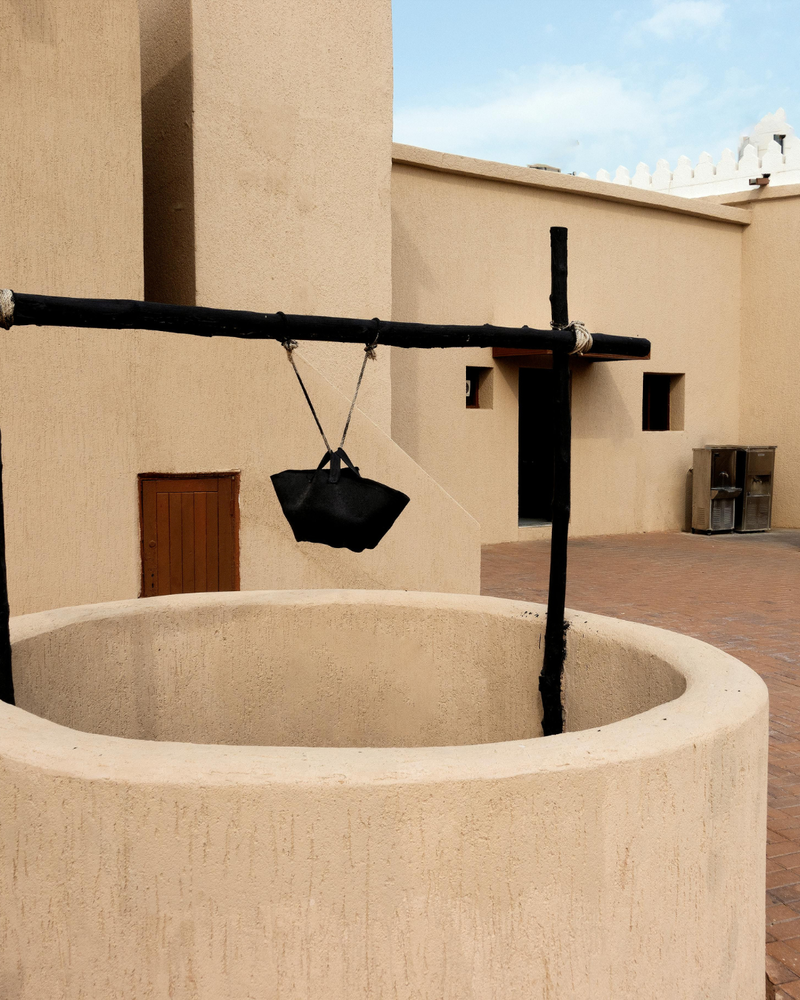
Who knows why Mexicans and others often take a siesta, an extended break, midday? In hot, arid, countries, it can be dangerous to work midday. People are more susceptible to heatstroke and dehydration. Folks would have understood this in Jesus’ time. So, why then, did this particular encounter happen midday? What was this particular Samaritan woman doing going to the well, a chore that involved walking and carrying a heavy load, at midday? What do you think were her reasons?
Jesus said to her, "Go, call your husband, and come back." The woman answered him, "I have no husband." Jesus said to her, "You are right in saying, 'I have no husband'; for you have had five husbands, and the one you have now is not your husband. What you have said is true!"
This woman has a history, a story, that has been subject to public scrutiny. We don’t know all of the details, the circumstances that led to her losing so many husbands. Does it really matter if she was divorced multiple times or had that many husbands die? We can guess what kind of gossip might emerge either way, then and now. Is it any wonder that she is avoiding people, suffering the heat of the day to collect water? No doubt she has been made to feel like an outcast, made to feel shame, because of her history.
Society still does this. We still have ways of making people feel like they need to hide who they are, and suffer difficult circumstances so as to avoid gossip, microaggressions, and feelings of shame. There are still individuals who, metaphorically, will go midday to the well to collect water because that is when they feel safest to do so. We can understand their reasons. What becomes important in this story is what Jesus does.
Jesus meets the Samaritan woman at the well. He knew her story and acknowledged it not with judgment and ridicule but as a simple matter of fact. His words do not feel harsh to her. He sees her. He offers her living water. The offer is transformative and she wants to share her experience.
Imagine the testimony of this woman to those she was avoiding! She has been an outcast because of her story, and yet she proclaims to everyone: "Come and see a man who told me everything I have ever done! He cannot be the Messiah, can he?" She had been hiding herself away, and now she is using her story as an example to say that this man she has encountered may be the Saviour of the world. There is hope and courage in this proclamation that inspires curiosity. People want to come and see for themselves because of the witness of an outcast, a marginalised person who uses her own story to reveal God’s love in Jesus.
God in Jesus meets the outcast wherever they may be. He sees them as they are. He knows their stories. He knows when they have had five partners and none. He knows when they have struggled with identity, illness, addiction, money, mental health, relationships, and more. He knows all the ways society has judged each of us leaving us feeling like we need to hide parts of who we are by going midday to the well for water. He meets us there, offers us living water, and transformation.
With courage and hope may we embrace the invitation of Jesus and let the world know that he sees us and loves us too. He is the Messiah, the One who has come to bring new life. May our testimony, our lives continually offer hope and possibility for those who need it most so that they too may be able to drink from the well of living water offered by Jesus. This we pray as we sing: (SNC) 25 From the Waters of Creation